
In today’s manufacturing landscape, supply chains are under intense pressure. Rising customer expectations, global disruptions, volatile demand, and rapid advancements in digital capabilities—such as AI and automation—are reshaping how companies compete. For many mid-market manufacturers, however, building the right level of in-house supply chain leadership quickly enough to keep pace is a challenge.
This is where interim and fractional supply chain leaders step in. By providing experienced executive-level leadership on a flexible basis, they help manufacturers unlock growth, drive performance improvements, and accelerate adoption of new capabilities.
Real-World Impact
At 2GO Advisory Group, we’ve seen firsthand how interim and fractional leaders close critical leadership gaps:
- For an agriculture client, we placed an interim head of supply chain when internal resources weren’t ready to lead supply planning and distribution optimization. Within 12 months, delivery performance rose from 65% to 98% and transportation efficiency improved by 12%, enabling the company to hit EBITDA goals.
- For a CPG client undergoing a divestiture, two fractional resources ensured business continuity. One managed the divestiture project office, while the other oversaw master data cleansing across product lines—key to achieving a smooth separation.
Let’s explore some ways the use of interim and fractional leadership resources can create value for manufacturers.
1. Enabling Growth Through Strategic Leadership
Growth in manufacturing is more than increasing sales—it requires a supply chain that can scale profitably. Many companies hit a wall when demand outpaces operational capacity.
An interim or fractional leader brings the seasoned perspective of someone who has managed growth cycles before. They can rapidly assess current supply chain capabilities, identify bottlenecks, and implement operating models that support growth. Key areas of impact include:
- Scaling Production Networks: Realigning plants, suppliers, and distribution networks to handle higher volumes without sacrificing service.
- Balancing Growth and Working Capital: Managing trade-offs between inventory, service levels, and cash flow.
- Expanding with Confidence: Supporting M&A integration or market entry with resilient supply chain structures.
Rather than playing catch-up, manufacturers gain a proactive growth partner who ensures operations can keep pace with commercial ambitions.
2. Driving Supply Chain Performance Improvements
Performance improvement is often the fastest return from interim or fractional leadership. These executives bring a proven toolkit of lean principles, best practices, and technology know-how that can deliver measurable results quickly.
Typical areas of improvement include:
- Service Levels: Raising on-time delivery by tightening planning, scheduling, and logistics execution.
- Cost Reduction: Unlocking 10–20% savings through sourcing, network optimization, and waste elimination.
- Agility and Resilience: Shortening lead times and reducing variability with supplier diversification and risk management.
Because external leaders are unencumbered by legacy thinking or politics, they can move decisively. Fractional leaders, in particular, often stay engaged part-time to provide ongoing accountability, ensuring gains are sustained over time.
3. Accelerating Capability Adoption—Especially AI
One of the greatest challenges manufacturers face today is adopting new technologies at the right speed and scale. Tools such as AI, advanced analytics, and digital twins hold immense potential—but many companies struggle to move beyond pilots or realize ROI.
Interim and fractional leaders can accelerate this journey by:
- Translating Technology into Value: Pinpointing where AI can drive measurable impact, such as improved forecasting, predictive maintenance, or inventory optimization.
- Building Organizational Readiness: Establishing data governance, process discipline, and change management to support adoption.
- Scaling Responsibly: Designing phased roadmaps that capture quick wins while laying the foundation for long-term transformation.
By embedding AI and digital tools into broader operational strategies, these leaders help manufacturers achieve competitive advantage—not just technology adoption.
4. The Flexibility Advantage
Perhaps the most compelling reason to engage interim or fractional leaders is flexibility.
- Interim Roles: Keep operations stable during leadership transitions, maintain accountability, and prepare the ground for a permanent hire.
- Fractional Roles: Provide strategic guidance, mentorship, and execution support for companies that need executive-level leadership but not on a full-time basis.
In both models, manufacturers access top-tier expertise without the overhead of a permanent hire, deploying leadership exactly where and when it’s needed.
Final Thought: A Catalyst for Transformation
Manufacturers today face a mix of challenges and opportunities. Those that build cost-efficient, resilient, and digitally enabled supply chains will gain a decisive market edge. Interim and fractional supply chain leaders act as catalysts in this transformation. They bring the experience, objectivity, and urgency to accelerate change—whether enabling growth, improving performance, or driving adoption of advanced capabilities like AI.
For manufacturers ready to break through operational constraints and build for long-term success, interim and fractional supply chain leadership isn’t just a temporary fix. It’s a strategic advantage.
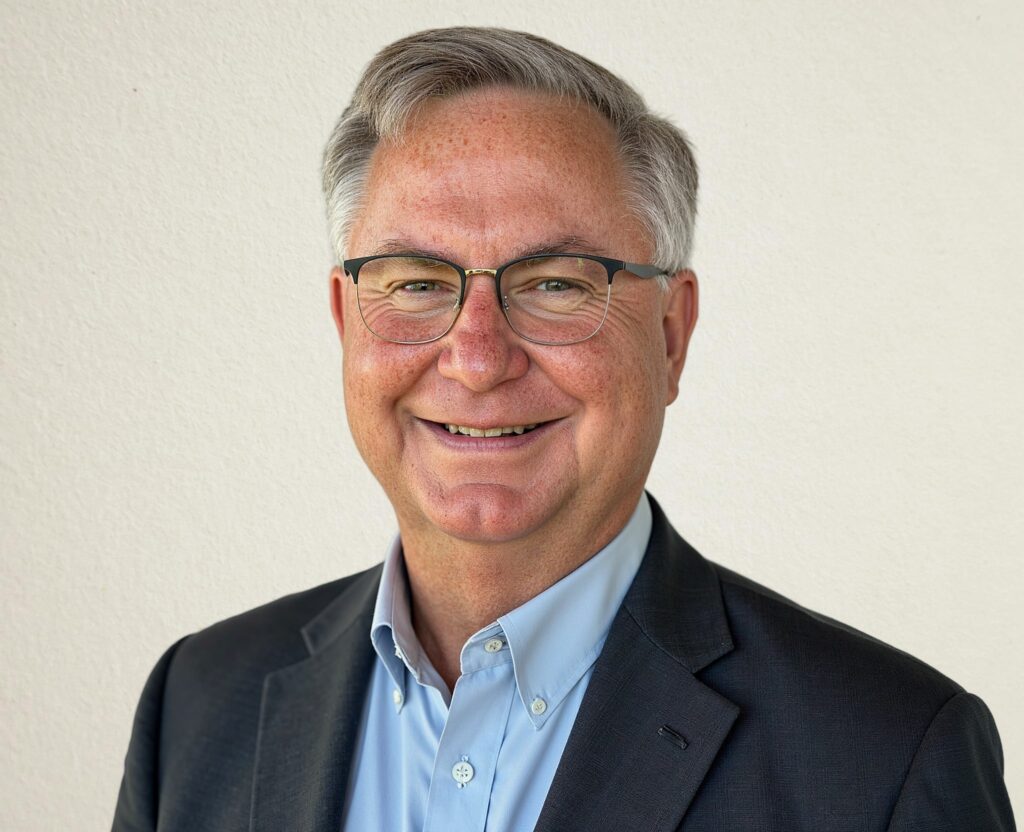
Keith Jones, COO Partner and lead of the Manufacturing Practice group, is a dynamic manufacturing/supply chain executive and advisor with over 25 years of experience delivering operational performance improvements and results that matter across consumer products, electronics, financial services, and agricultural and produce industries. Contact Keith at kjones@coos2go.com.
For your Talent needs in direct hire, full-time or part-time contract staffing in Manufacturing, contact Executive Recruiter, Leesa Meintzer at leesa@2gorecruiting.com.

Leesa Meintzer is an executive recruiter with more than 20 years of experience in talent acquisition. She excels in partnering across various business functions and brings a comprehensive perspective to talent acquisition. She works with Engineering, Healthcare, Product, Finance, Accounting, Business Operations, Sales, Manufacturing, Human Resources, Learning & Development, and Talent Acquisition for corporate and high-growth start-ups.